Chelichnus
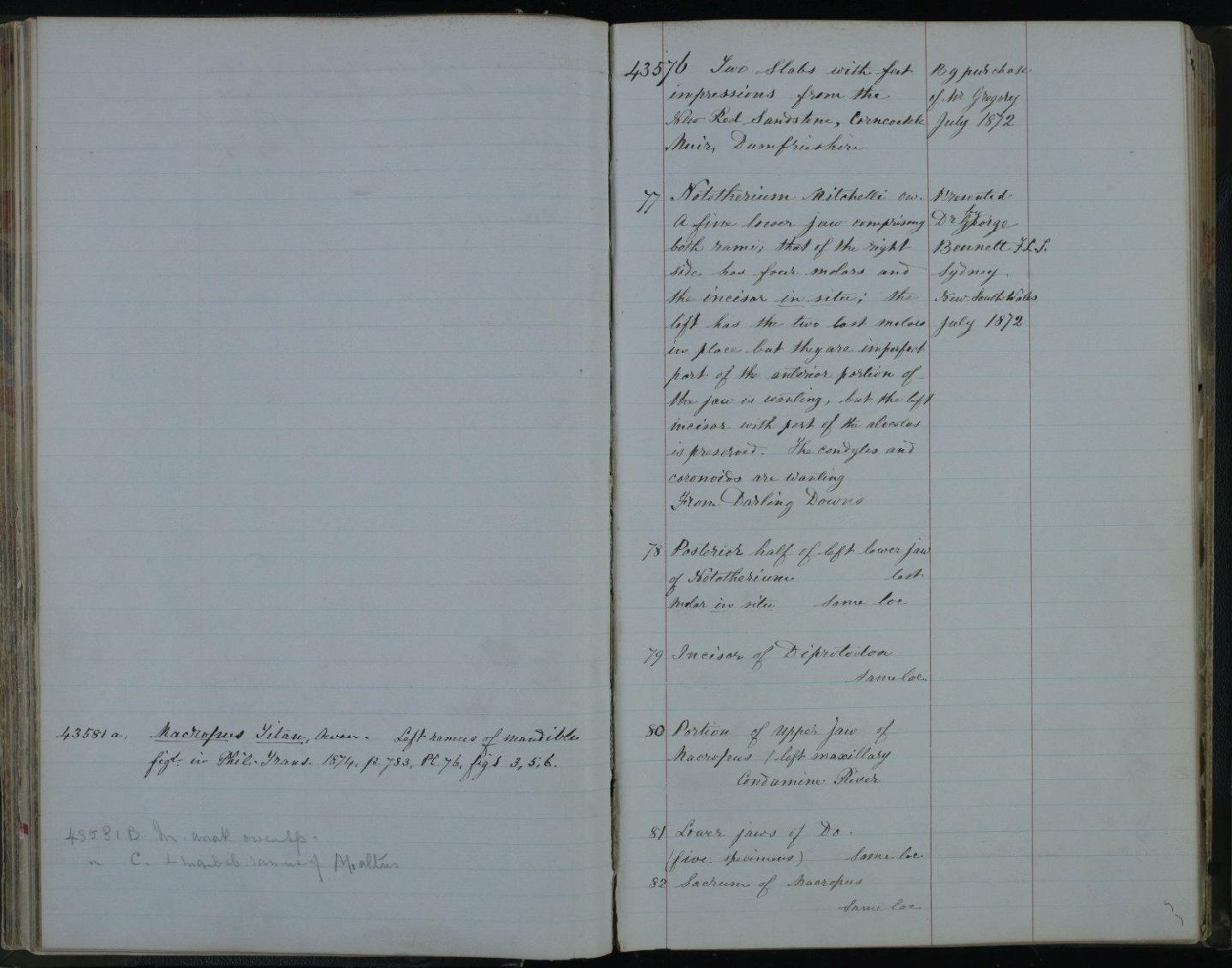
via GBIF · CC0 · via GBIF. May be a photograph of a specimen, or an artist’s reconstruction — an interpretation of a skeleton, since colour and soft tissue are almost never preserved.
On record
Recorded, not inferred- Sits inside
- CaseidaePBDB
- Motility
- actively mobilePBDB, for Osteichthyes
- Environment
- terrestrialPBDB, for Amniota
Time the record covers
At least 161 million years on record.
The record covers at least 274.4 Mya to 113.2 Mya. No occurrence read is dated outside 358.86 Mya to 100.5 Mya.
11 occurrences of Chelichnus on record, most of them in the Permian. Bar height is expected occurrences, not a count: each fossil is spread across the span it is dated to, so a tall narrow bar means tight dating and a low wide one means loose.
When
11 occurrencesThese are dates about fossils, not the animal: the record can only begin after it arose and end before it died out, so either end may reach further. Shares are expected occurrences: a fossil dated to a span is counted partly in each period it straddles. More on what this infers.
Found in
5 formations
- Corncockle Sandstone Formation · Stewartry Group5
- Corumbataí Formation · Passa Dois Group1
- Lossiemouth Sandstone Formation1
- Mansfield Red Sandstone Formation1
- Jinju Formation · Shindong Group1
Loading coastlines…
The named rock units Chelichnus has been recovered from, largest first. Drawn where the rock is now, not where it formed. 2 occurrences have no formation on record, which is common for older literature.
Chelichnus and its relatives
PermianWhere Chelichnus and its relatives were recorded in the Permian.
Found in the same rock
21 taxa- Amphisauropus latus1 site
- Arthropoda1 site
- Batrachichnus salamandroides1 site
- Batrachopus1 site
- Brontopodus1 site
- Cochlichnus1 site
- Crocodylopodus sp.1 site
- Dimetropus1 site
- Herpetichnus bucklandi1 site
- Jindongornipes1 site
- Limnopus zeilleri1 site
- Palmichnus lacertoides1 site
- Paradoxichnium tumlinense1 site
- Phalangichnus gagoli1 site
- Phalangichnus gradzinskii1 site
- Protovirgularia1 site
- Pteraichnus1 site
- Ranipes sp.1 site
- Rhynchosauroides kuletae1 site
- Theropoda1 site
- Varanopus microdactylus1 site
The Paleobiology Database records 7 sites for Chelichnus, and this reads all of them. The number is how many of those sites it was catalogued from too.
This is not a list of everything alive at the time. It is only what has come out of the same ground as this animal and been written down.
Entered from
8 references- Note to Mr. Harkness's paper on "The position of the impressions of footsteps in the Bunter Sandstone of Dumfries-shire"3
- The Tracks of Triassic Vertebrates: Fossil Evidence from North-West England2
- A Cretaceous frog footprint forum: a highly diverse ichnofauna from the Jinju Formation (Cretaceous) of Korea highlights the paleoecological importance of rare tracks1
- A New Trace Fossil From the Permian Coconino Sandstone of Northern Arizona1
- Fossil footprints from the Late Permian of Brazil: An example of hidden biodiversity1
- Late Permian vertebrate tracks from the Tumlin Sandstone, Holy Cross Mountains, Poland1
- Reclassification of Vertebrate Trackways from the Permian of Scotland and Related Forms from Arizona and Germany1
- Report on British fossil reptiles, part II1
Each of the 11 occurrences read was entered from one of these publications, ordered by how many each accounts for. This is not a search for papers mentioning the name. Entries link to doi.org where the Paleobiology Database holds an identifier, and to its own record where it does not. Relayed as the Paleobiology Database holds them, not checked against what they resolve to.
Media and terms
Media content2
Picture of Chelichnus
- Source
- GBIF
- Credit
- via GBIF
- Licence
- CC0
- Commercial use
- the licence allows it
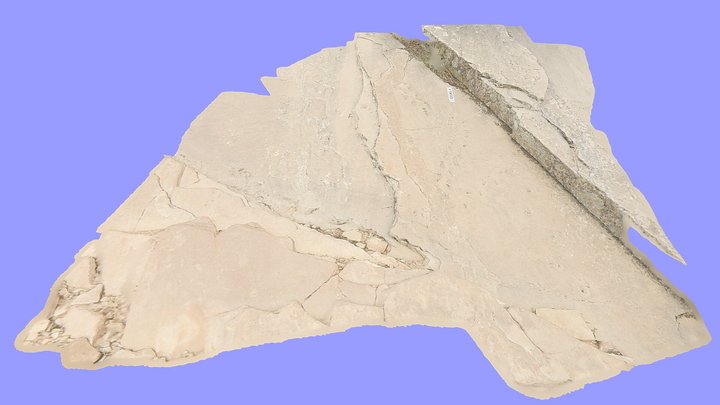
3D model
- Source
- Sketchfab
- Licence
- CC Attribution-NonCommercial
- Commercial use
- the licence does not allow it
This is what the site found, which is not the same as what exists.
Keep going
What may have been alongside itCaseidae through timeFormations of the PermianThe world it lived on
Occurrence data from the Paleobiology Database, CC BY 4.0. Jardine 1850