Scutellina
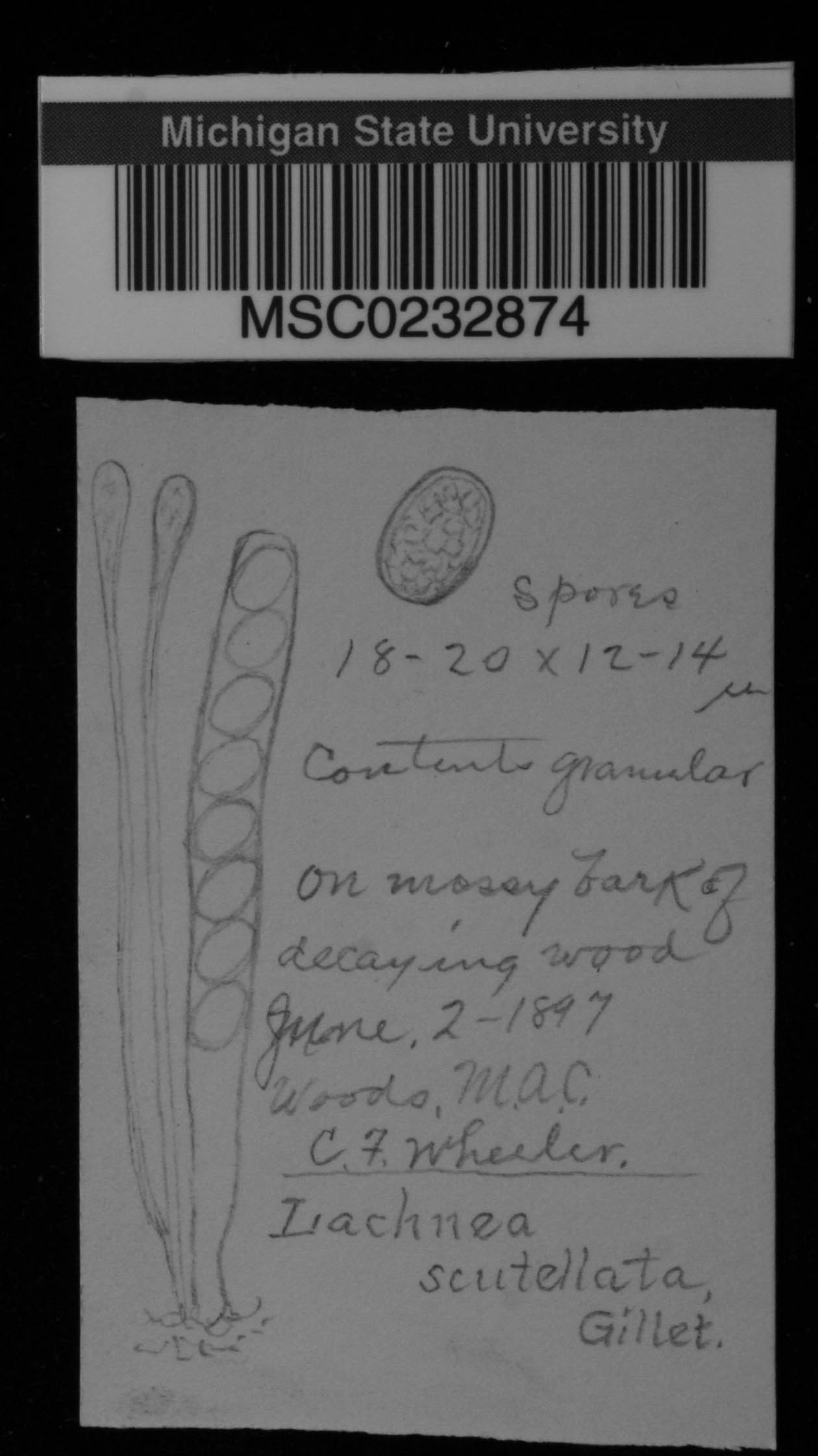
via iDigBio · CC BY-NC-SA · via iDigBio. May be a photograph of a specimen, or an artist’s reconstruction — an interpretation of a skeleton, since colour and soft tissue are almost never preserved.
On record
Recorded, not inferred- Sits inside
- ClypeasteroidaPBDB
- Diet
- detritivorePBDB, for Clypeasteroida
- Life habit
- semi-infaunalPBDB, for Clypeasteroida
- Motility
- slow-movingPBDB, for Clypeasteroida
- Vision
- limitedPBDB, for Echinoidea
- Environment
- marinePBDB, for Echinodermata
Time the record covers
At least 72 million years on record.
The record covers at least 72.2 Mya to 11.7 ka. No occurrence read is dated outside 100.5 Mya to 0 Mya.
840 occurrences of Scutellina on record, most of them in the Miocene. The Paleobiology Database records this as a living group. Bar height is expected occurrences, not a count: each fossil is spread across the span it is dated to, so a tall narrow bar means tight dating and a low wide one means loose.
When
840 occurrences- Late Cretaceousunder 1%
- Paleoceneunder 1%
- Eocene26%
- Oligocene5%
- Miocene38%
- Pliocene15%
- Pleistocene15%
- Holoceneunder 1%
These are dates about fossils, not the animal: the record can only begin after it arose and end before it died out, so either end may reach further. Shares are expected occurrences: a fossil dated to a span is counted partly in each period it straddles. More on what this infers.
Found in
166 formations
- Vaqueros Formation67
- Castle Hayne Formation · Jackson Group42
- Temblor Formation37
- Moodys Branch Formation · Jackson Group33
- Careaga Sandstone Formation30
- Santee Limestone Formation21
Loading coastlines…
The named rock units Scutellina has been recovered from, largest first. Drawn where the rock is now, not where it formed. 142 further formations hold fewer occurrences each and are not listed. 155 occurrences have no formation on record, which is common for older literature.
Scutellina and its relatives
MioceneWhere Scutellina and its relatives were recorded in the Miocene.
Found in the same rock
2,489 taxa- Periarchus lyelli53 sites
- Chlamys48 sites
- Ostrea40 sites
- Turritella32 sites
- Cidaris pratti22 sites
- Conus19 sites
- Balanus16 sites
- Echinocyamus16 sites
- Protoscutella conradi16 sites
- Tellina16 sites
- Venericardia16 sites
- Chlamys deshayesii15 sites
- Flabellum15 sites
- Gigantostrea trigonalis15 sites
- Pacipecten andersoni15 sites
- Vaquerosella merriami15 sites
- Vertebrata15 sites
- Chama14 sites
- Clypeaster14 sites
- Strombus14 sites
- Eburneopecten scintillatus13 sites
- Echinolampas13 sites
- Echinolampas appendiculata13 sites
- Crassatella12 sites
The Paleobiology Database records 591 sites for Scutellina, and this reads 240 of them. The number is how many of those sites it was catalogued from too. The 24 sharing the most are listed.
This is not a list of everything alive at the time. It is only what has come out of the same ground as this animal and been written down.
Entered from
190 references- The Vaqueros Formation, Lower Miocene of California. I. Paleontology62
- Stratigraphic Distribution of Paleocene and Eocene Fossils in the Eastern Gulf Coast Region52
- The West American Cenozoic Echinoidea50
- The Echinoids of the Middle Eocene Warley Hill Formation, Santee Limestone, and Castle Hayne Limestone of North and South Carolina39
- Geology and paleontology of the Santa Maria District California35
- Stratigraphy and paleontology of the marine Neogene formations of the Coalinga region, California32
- Cenozoic irregular echinoids of the Eastern United States23
- Diversity patterns and biostratigraphy of Cenozoic echinodems from Florida22
- The Etchegoin Pliocene of middle California22
- Fossil and recent sand dollar echinoids of Alaska21
- Pancho Rico Formation, Salinas Valley19
- The Mesozoic and Cenozoic Echinodermata of the United States19
Each of the 840 occurrences read was entered from one of these publications, ordered by how many each accounts for. This is not a search for papers mentioning the name. 178 further references are not listed. Entries link to doi.org where the Paleobiology Database holds an identifier, and to its own record where it does not. Relayed as the Paleobiology Database holds them, not checked against what they resolve to.
Media and terms
Media content1
Picture of Scutellina
- Source
- iDigBio
- Credit
- via iDigBio
- Licence
- CC BY-NC-SA
- Commercial use
- the licence does not allow it
No 3D scan of Scutellina was found in MorphoSource and Sketchfab.
Smithsonian Open Access was not reached for this taxon, so this list is what the others held rather than everything there is.
This is what the site found, which is not the same as what exists.
Keep going
What may have been alongside itClypeasteroida through timeFormations of the MioceneThe world it lived on
Occurrence data from the Paleobiology Database, CC BY 4.0. Haeckel 1896