Lophophyllidium proliferum
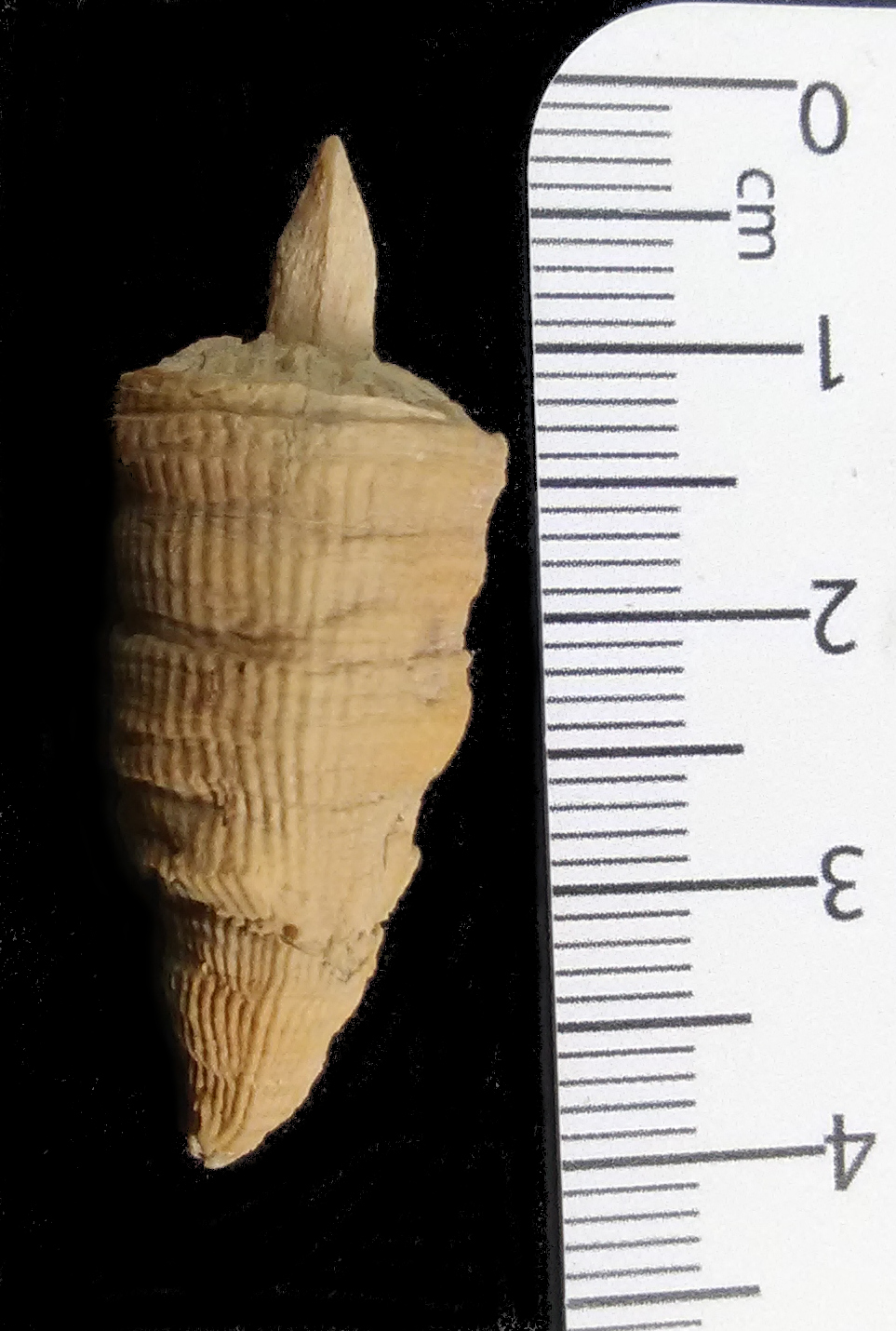
via iDigBio · via iDigBio. May be a photograph of a specimen, or an artist’s reconstruction — an interpretation of a skeleton, since colour and soft tissue are almost never preserved.
On record
Recorded, not inferred- Sits inside
- LophophyllidiumPBDB
- Diet
- suspension feederPBDB, for Rugosa
- Life habit
- epifaunalPBDB, for Rugosa
- Motility
- stationary, attachedPBDB, for Rugosa
- Vision
- blindPBDB, for Anthozoa
- Environment
- marinePBDB, for Rugosa
Time the record covers
At least 64 million years on record.
The record covers at least 318.6 Mya to 254.14 Mya. No occurrence read is dated outside 323.4 Mya to 251.902 Mya.
12 occurrences of Lophophyllidium proliferum on record, most of them in the Permian. Bar height is expected occurrences, not a count: each fossil is spread across the span it is dated to, so a tall narrow bar means tight dating and a low wide one means loose.
When
12 occurrences- Carboniferous45%
- Permian55%
These are dates about fossils, not the animal: the record can only begin after it arose and end before it died out, so either end may reach further. Shares are expected occurrences: a fossil dated to a span is counted partly in each period it straddles. More on what this infers.
Found in
8 formations
- Mattoon Formation3
- Changxing Formation2
- Bluff Creek Formation · Cisco Group1
- Huanggangliang Formation1
- Yuquan Formation1
- Longtan Formation1
Loading coastlines…
The named rock units Lophophyllidium proliferum has been recovered from, largest first. Drawn where the rock is now, not where it formed. 1 occurrence has no formation on record, which is common for older literature.
Lophophyllidium proliferum and its relatives
PermianWhere Lophophyllidium proliferum and its relatives were recorded in the Permian.
Found in the same rock
302 taxa- Bellerophon3 sites
- Composita subtilita3 sites
- Derbyia crassa3 sites
- Euphemites carbonarius3 sites
- Pseudorthoceras knoxense3 sites
- Volsellina subelliptica3 sites
- Allorisma2 sites
- Archaeocidaris2 sites
- Bryozoa2 sites
- Cleiothyridina2 sites
- Condrathyris perplexa2 sites
- Crurithyris planoconvexa2 sites
- Ditomopyge scitula2 sites
- Foraminifera2 sites
- Gastropoda2 sites
- Glabrocingulum2 sites
- Hystriculina2 sites
- Ianthinopsis2 sites
- Juresania2 sites
- Kutorginella lasallensis2 sites
- Linoproductus2 sites
- Linoproductus cora2 sites
- Lissochonetes geinitzianus2 sites
- Lophocarinophyllum karpinskyi2 sites
The Paleobiology Database records 12 sites for Lophophyllidium proliferum, and this reads all of them. The number is how many of those sites it was catalogued from too. The 24 sharing the most are listed.
This is not a list of everything alive at the time. It is only what has come out of the same ground as this animal and been written down.
Entered from
9 references- Yang et al., 19872
- Tetracoralla2
- Brachiopods of the suborder Strophomenidina from the Shumway Cyclothem, Mattoon Formation, Virgilian of Illinois.2
- A late Pennsylvanian encruster: terminal Paleozoic calcified demosponge?1
- Anthozoa1
- Paleoecological notes on the fauna of the Shumway Limestone (Mattoon Formation, Upper Pennsylvanian) of Illinois1
- Palaeontological evidence for the Age of the Carboniferous and Permian rocks of central Vestspitsbergen1
- The Kendrick Shale - A New Calcareous Fossil Horizon in the Coal Measures of Eastern Kentucky1
- Obercarbonische fauna von Lo-Ping1
Each of the 12 occurrences read was entered from one of these publications, ordered by how many each accounts for. This is not a search for papers mentioning the name. Entries link to doi.org where the Paleobiology Database holds an identifier, and to its own record where it does not. Relayed as the Paleobiology Database holds them, not checked against what they resolve to.
Media and terms
Media content2
Picture of Lophophyllidium proliferum
- Source
- iDigBio
- Credit
- via iDigBio
- Licence
- not stated by the source
- Commercial use
- cannot be read from the licence given — check the record
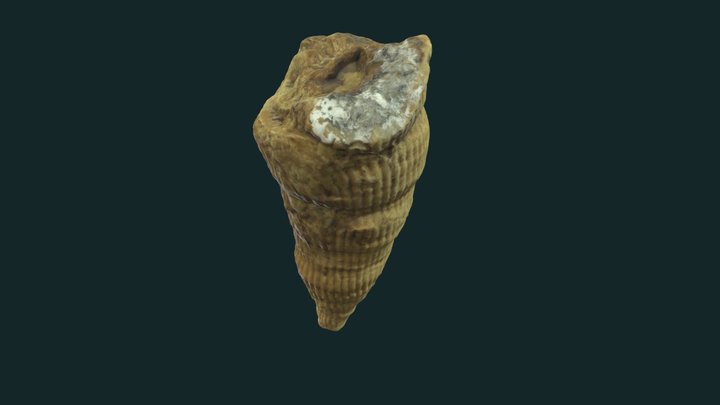
3D model
- Source
- Sketchfab
- Credit
- Shellie Luallin
- Licence
- CC Attribution
- Commercial use
- cannot be read from the licence given — check the record
Smithsonian Open Access and MorphoSource were not reached for this taxon, so this list is what the others held rather than everything there is.
This is what the site found, which is not the same as what exists.
Keep going
What may have been alongside itLophophyllidium through timeFormations of the PermianThe world it lived on
Occurrence data from the Paleobiology Database, CC BY 4.0. (McChesney 1860)