Haploceras
Haploceras is a genus of late Upper Jurassic ammonoid cephalopods and the type for the Haploceratidae, similar to Lissoceras but with a broader whorl section and small blunt lappets and a blunt rostrum; some species with feeble ventral folds on body chamber.
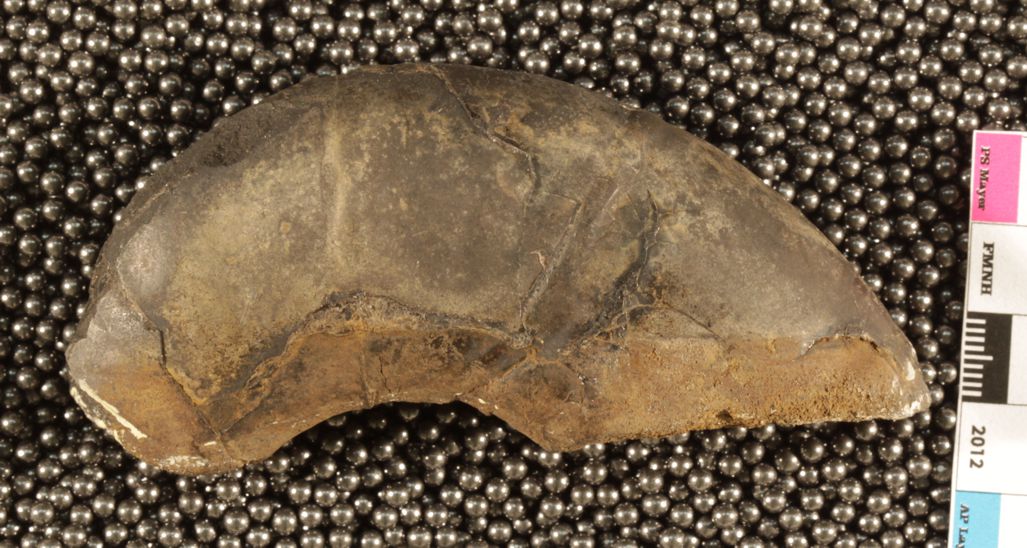
via iDigBio · via iDigBio. May be a photograph of a specimen, or an artist’s reconstruction — an interpretation of a skeleton, since colour and soft tissue are almost never preserved.
On record
Recorded, not inferred- Sits inside
- HaploceratidaePBDB
- Diet
- carnivorePBDB, for Ammonoidea
- Life habit
- nektonicPBDB, for Ammonoidea
- Motility
- fast-movingPBDB, for Ammonoidea
- Vision
- well-developedPBDB, for Cephalopoda
- Environment
- marinePBDB, for Cephalopoda
Time the record covers
At least 19 million years on record.
The record covers at least 152.21 Mya to 132.6 Mya. No occurrence read is dated outside 161.5 Mya to 121.4 Mya.
96 occurrences of Haploceras on record, most of them in the Late Jurassic. Bar height is expected occurrences, not a count: each fossil is spread across the span it is dated to, so a tall narrow bar means tight dating and a low wide one means loose.
When
96 occurrencesThese are dates about fossils, not the animal: the record can only begin after it arose and end before it died out, so either end may reach further. Shares are expected occurrences: a fossil dated to a span is counted partly in each period it straddles. More on what this infers.
Found in
18 formations
- Rossfeld Formation9
- Pálihálás Limestone Formation6
- Guasasa Formation5
- Szentivánhegy Limestone Formation5
- La Caja Formation5
- Les Marnes Intermédiaires Formation3
Loading coastlines…
The named rock units Haploceras has been recovered from, largest first. Drawn where the rock is now, not where it formed. 47 occurrences have no formation on record, which is common for older literature.
Haploceras and its relatives
Late JurassicWhere Haploceras and its relatives were recorded in the Late Jurassic.
Found in the same rock
320 taxa- Hypolissoceras carachtheis13 sites
- Lamellaptychus10 sites
- Pseudodiscosphinctes8 sites
- Ptychophylloceras ptychoicum8 sites
- Aspidoceras7 sites
- Lytoceras7 sites
- Semiformiceras semiforme7 sites
- Lytoceras municipale6 sites
- Neocomites6 sites
- Phylloceras6 sites
- Bochianites neocomiensis5 sites
- Cyrtosiceras5 sites
- Hybonoticeras hybonotus5 sites
- Neochetoceras5 sites
- Neolissoceras grasianum5 sites
- Phylloceras semisulcatum5 sites
- Phylloceras serum5 sites
- Pseudolissoceras5 sites
- Subplanitoides pouzinensis5 sites
- Danubisphinctes4 sites
- Glochiceras4 sites
- Hibolites4 sites
- Neocomites neocomiensis4 sites
- Olcostephanus4 sites
The Paleobiology Database records 65 sites for Haploceras, and this reads all of them. The number is how many of those sites it was catalogued from too. The 24 sharing the most are listed.
This is not a list of everything alive at the time. It is only what has come out of the same ground as this animal and been written down.
Entered from
33 references- A new ammonite fauna from the Tithonian (Semiformiceras/Verruciferum Zone) of the Lessinian Alps, Verona Province, Northern Italy12
- Upper Jurassic-lowermost Cretaceous fossil localities of the Gerecse and Pilis Mountains (rocks, fossils and stratigraphy)9
- Die Cephalopoden aus den Rossfeldschichten der Reichraminger Decke (Obervalanginium, oberösterreichische Kalkalpen) [Cephalopods from the Rossfeld Formation of the Reichraming Nappe (Late Valanginian, Northern Calcareous Alps, Upper Austria)]9
- Ammonite biostratigraphy of the Tithonian of Western Cuba6
- Lower Berriasian ammonites from Dedina (Golubac Mountains, eastern Serbia) and their biostratigraphic implication5
- La serie Jurasica de la unidad Casa Blanca-Puerto de las Palomas (Zona Subbetica) [The Jurassic series of the Casa Blanca-Puerto de las Palomas Unit (Subbetic Zone)]5
- Genus Delphinella (Ammonoidea) from the Berriasian of the Crimean Mountains4
- Hermatypic corals in the Tithonian pelagic facies of Central Apennines. Evidence of Upper Jurassic sea-level changes4
- Faunes tithoniques des chaînes bétiques (Espagne méridionale)4
- Ammonite Biostratigraphy and Correlations in the Upper Jurassic-Lowermost Cretaceous La Caja Formation of North-Central Mexico (Sierra de Catorce, San Luis de Potosí)3
- A unique Lower Tithonian fauna in the Gerecse Mts, Hungary3
- Les formations du Jurassique supérieur du Bou Rheddou au Nord de Tiaret (Bordure sud-tellienne, Algérie): âge et milieux de dépôt3
Each of the 96 occurrences read was entered from one of these publications, ordered by how many each accounts for. This is not a search for papers mentioning the name. 21 further references are not listed. Entries link to doi.org where the Paleobiology Database holds an identifier, and to its own record where it does not. Relayed as the Paleobiology Database holds them, not checked against what they resolve to.
Media and terms
Media content2
Picture of Haploceras
- Source
- iDigBio
- Credit
- via iDigBio
- Licence
- not stated by the source
- Commercial use
- cannot be read from the licence given — check the record
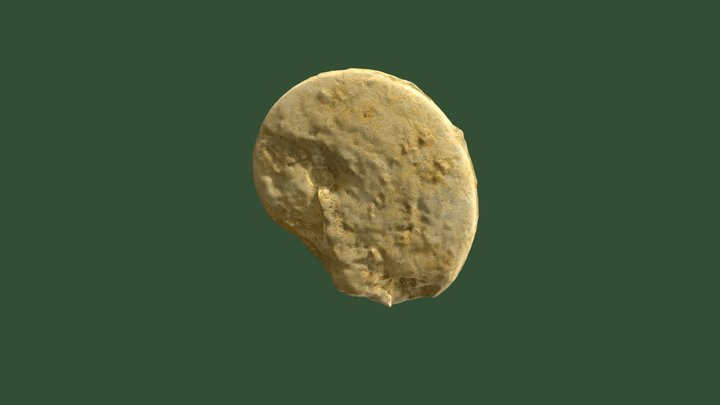
3D model
- Source
- Sketchfab
- Credit
- Shellie Luallin
- Licence
- CC Attribution
- Commercial use
- cannot be read from the licence given — check the record
The description on this site
- Source
- Wikipedia, “Haploceras”
- Licence
- CC BY-SA 4.0
This is what the site found, which is not the same as what exists.
Keep going
What may have been alongside itHaploceratidae through timeFormations of the Late JurassicThe world it lived on
Occurrence data from the Paleobiology Database, CC BY 4.0. (Zittel 1870)