Glycymeris (Glycymeris)
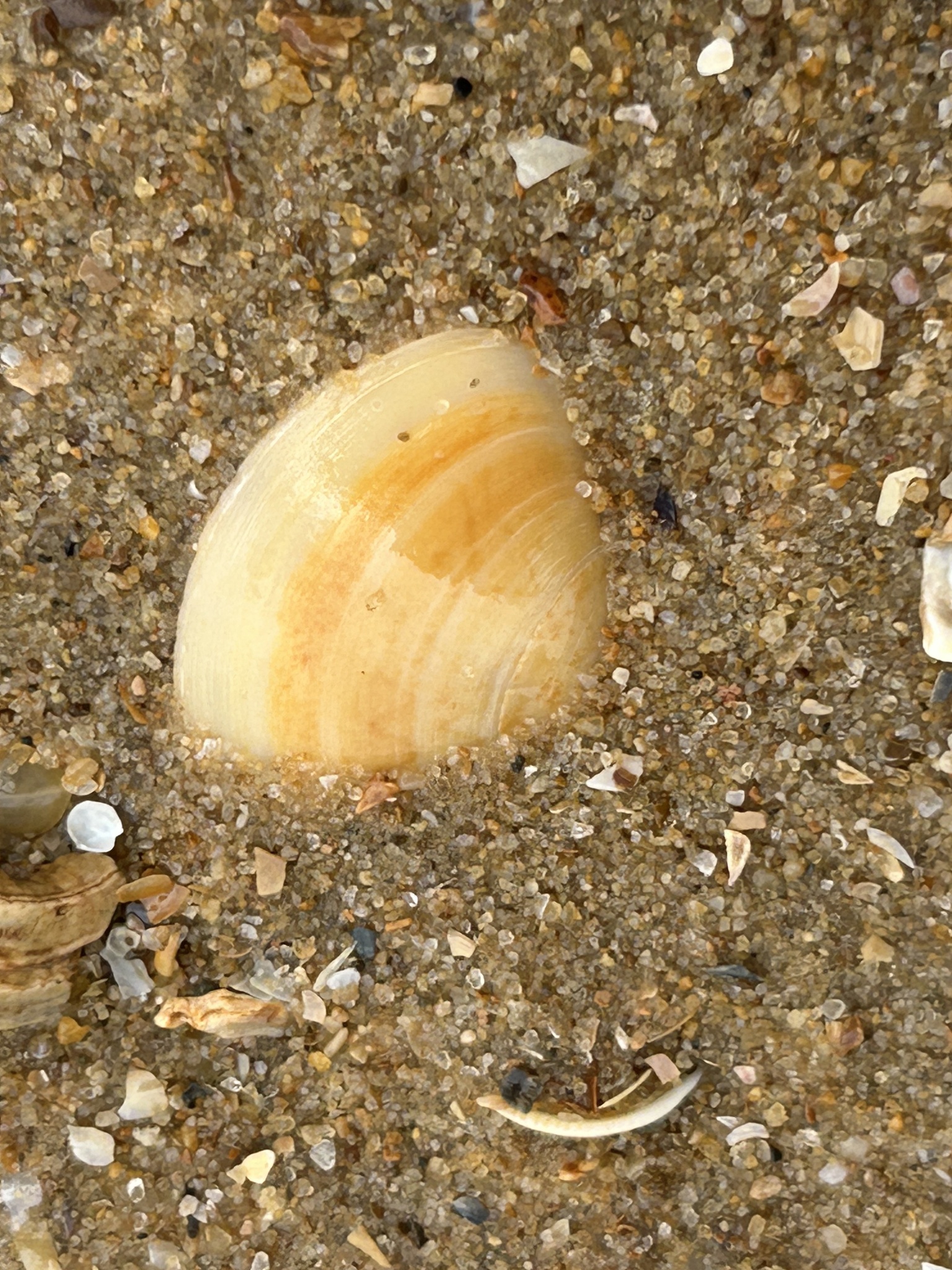
Jordan H · CC BY-NC 4.0 · via GBIF. May be a photograph of a specimen, or an artist’s reconstruction — an interpretation of a skeleton, since colour and soft tissue are almost never preserved.
On record
Recorded, not inferred- Sits inside
- GlycymerisPBDB
- Diet
- suspension feederPBDB, for Glycymeris
- Life habit
- infaunalPBDB, for Glycymeris
- Motility
- facultatively mobilePBDB, for Glycymeris
- Vision
- blindPBDB, for Bivalvia
- Environment
- coastal,inner shelf,outer shelf,oceanicPBDB, for Glycymerididae
Time the record covers
At least 100 million years on record.
The record covers at least 100.5 Mya to 129 ka. No occurrence read is dated outside 113.2 Mya to 11.7 ka.
238 occurrences of Glycymeris (Glycymeris) on record, most of them in the Miocene. The Paleobiology Database records this as a living group. Bar height is expected occurrences, not a count: each fossil is spread across the span it is dated to, so a tall narrow bar means tight dating and a low wide one means loose.
When
238 occurrences- Early Cretaceousunder 1%
- Late Cretaceousunder 1%
- Paleocene3%
- Eocene17%
- Oligocene13%
- Miocene39%
- Pliocene22%
- Pleistocene5%
These are dates about fossils, not the animal: the record can only begin after it arose and end before it died out, so either end may reach further. Shares are expected occurrences: a fossil dated to a span is counted partly in each period it straddles. More on what this infers.
Found in
78 formations
- Berada Formation15
- Llajas Formation8
- Ardath Formation · La Jolla Group8
- Falun de Jeurs Formation7
- Scripps Formation · La Jolla Group7
- Falun de Morigny Formation6
Loading coastlines…
The named rock units Glycymeris (Glycymeris) has been recovered from, largest first. Drawn where the rock is now, not where it formed. 54 further formations hold fewer occurrences each and are not listed. 62 occurrences have no formation on record, which is common for older literature.
Glycymeris (Glycymeris) and its relatives
MioceneWhere Glycymeris (Glycymeris) and its relatives were recorded in the Miocene.
Found in the same rock
2,523 taxa- Parvicardium32 sites
- Varicorbula gibba26 sites
- Polinices25 sites
- Arcopagia24 sites
- Cyclocardia24 sites
- Cordiopsis incrassata23 sites
- Ctena23 sites
- Calyptraea22 sites
- Cytherea (Callista) splendida22 sites
- Granulolabium plicatum22 sites
- Habecardium tenuisulcatum22 sites
- Lentidium (Ajanssenium) nitidum22 sites
- Lucina22 sites
- Lunatia22 sites
- Paralucinella undulata22 sites
- Turboella turbinata22 sites
- Bittium21 sites
- Parvilucina21 sites
- Saxolucina21 sites
- Scapharca (Scapharca) diluvii21 sites
- Tivelina21 sites
- Keepingia gossardii20 sites
- Veneridae20 sites
- Abra19 sites
The Paleobiology Database records 161 sites for Glycymeris (Glycymeris), and this reads all of them. Of that, one read hit the database's own return limit, so every count below is a floor rather than a total. The number is how many of those sites it was catalogued from too. The 24 sharing the most are listed.
This is not a list of everything alive at the time. It is only what has come out of the same ground as this animal and been written down.
Entered from
75 references- Biostratigraphie et paleoecologie des gisements types du Stampian de la region d''Etampes (Essonne)22
- Stratigraphic interpretation of the Neogene marine-continental record in the Maaseik well (49W0220) in the Roer Valley Graben, NE Belgium15
- Eocene molluscan stages and their correlation, San Diego area, California14
- Bivalve Molluscs from the Badenian of Northwestern Bulgaria11
- Biozonation of the Neogene invertebrate megafauna of the Hellenic area11
- Neogene and Paleogene Molluscan (Bivalvia) Cenozones of the Russian Northeast.9
- Molluscos del Tirreniense (Pleistoceno Superior) de la Playa la Araña-Cala de Moral (Málaga)8
- Neogene and Paleogene Molluscan (Bivalvia) Cenozones of Sakhalin and Kurile Islands8
- Megapaleontology of the Eocene Llajas Formation, Simi Valley, California8
- Unpublished census data from Atlantic coastal plain and circum-Caribbean Neogene assemblages and taxonomic opinions7
- Arcoida (Mollusca, Bivalvia) del Plioceno de la provincia de Malaga, Espana [Pliocene Arcoida from Malaga, Spain]6
- Computer-based mollusc stratigraphy - a case study from the Eggenburgian (Lower Miocene) type region (NE Austria)5
Each of the 238 occurrences read was entered from one of these publications, ordered by how many each accounts for. This is not a search for papers mentioning the name. 63 further references are not listed. Entries link to doi.org where the Paleobiology Database holds an identifier, and to its own record where it does not. Relayed as the Paleobiology Database holds them, not checked against what they resolve to.
Media and terms
Media content3
Picture of Glycymeris (Glycymeris)
- Source
- GBIF
- Credit
- Jordan H
- Licence
- CC BY-NC 4.0
- Commercial use
- the licence does not allow it
CT scan
- Source
- MorphoSource
- Licence
- not stated by the source
- Commercial use
- cannot be read from the licence given — check the record
- Specimen
- Glycymeris glycymeris · USNM:IZ:USNM 199801
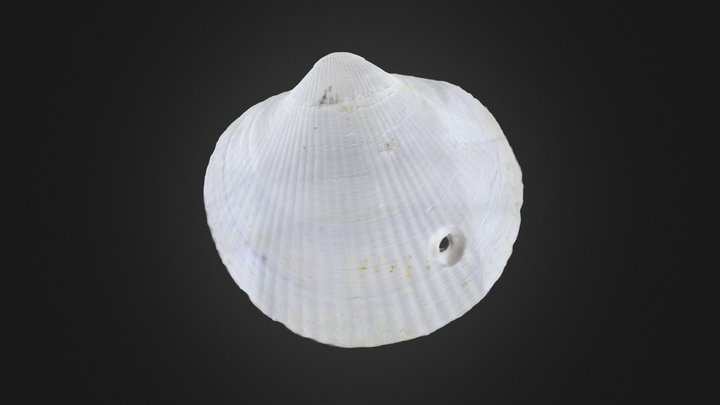
3D model
- Source
- Sketchfab
- Licence
- CC0 Public Domain
- Commercial use
- the licence allows it
This is what the site found, which is not the same as what exists.
Keep going
What may have been alongside itGlycymeris through timeFormations of the MioceneThe world it lived on
Occurrence data from the Paleobiology Database, CC BY 4.0. da Costa 1778